

"Parents located in the northern part of London wants to find an remarkable and qualified tutor to assist their most junior child on his initial journey to turning into an English gentleman."
Upon seeing this listing, you might readily skip the wording "initial stages" as simple figurative language.
However, it could be the crucial part of this unique job advert, as it attempts to find a tutor for a 12-month-old.
Hundreds of submissions have already been sent in since the unnamed family published their search for the £180,000 per year tutor, who must be "a uniquely qualified person".
In recent few weeks, the listing has gained attention in the media, with several wondering why?
Innovative Idea
Adam Caller, CEO and founder of Tutors International, which is assisting the family in their search, said that in spite of early skepticism, he considered the plan "far sighted", and "innovative".
When he consulted the family, he said they appreciated the unconventional nature of their demand, and how early in age their son is.
However, they clarified that they "were unwilling to delay any longer" to hire a tutor, as they had waited until their firstborn was five, and by that age "cultural influence had already taken hold".
What exactly does the family refer to by "cultural bias"?
It's "comprehensive", the expert replied. "How you eat, the manner you speak".
He stated the firstborn had picked up "really subtle, non-verbal cues" from the family, and had assumed their cultural norms. The family explained to the consultant they wished to avoid the same situation to recur with their infant.
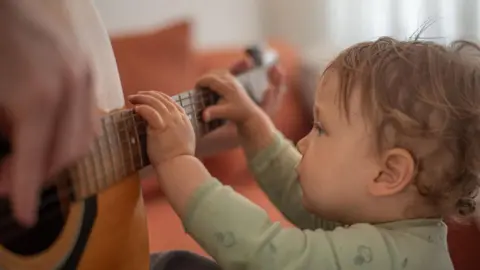
The strategy: To engage a British tutor, who should speak with standard English accent, to influence the baby from the very start.
Natural Absorption
"Much of the education at the beginning here is rather osmotic," stated the CEO.
It's by means of this osmosis that the family are aiming the child will pick up the British traits they wish to cultivate.
The consultant noted the tutor had to be somebody who went to "the appropriate educational institutions – similar types of schools as the family plan to send their son to".
"The educator must be the suitable individual, they'll be doing things they don't even know they're doing, just naturally," he commented.
Money No Object
The family told the expert the selected educator should ideally also have familiarity of or interest in equestrian activities, winter sports, the arts and musical activities so as to shape the child in a broad spectrum of interests.
More than that though, he stated the family wanted the tutor to sign up the child on a range of courses so the child would be "equestrian training and picking up an musical instrument by the time they are about three years old".
In the family's view, guiding their son become a "UK sophisticate" will result in achievement and provide access.
"Taking into account the pros and cons of that, because it's definitely a status symbol," he comments.
However, despite all this tutelage in "UK identity", could the child pick up so-called cultural influence from the international family he resides with in any case?
"Yes", said he. "The parents realize this could fail, but they've merely embraced the attitude of, 'why not attempt it and we'll proceed as quickly as we can', because the cost of it is irrelevant," he stated.
Overly Optimistic
There are some in the private teaching field who share these doubts.
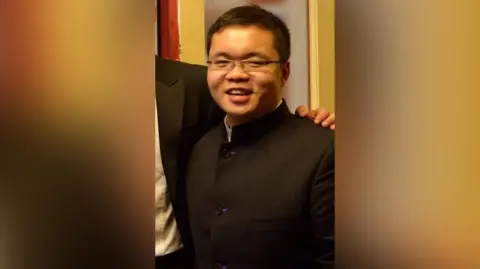
Peter Cui, head and founder of Blue Education, who also offer private tutors, wrote that "the development of becoming bicultural, or in fact, becoming oneself, is something that must be lived into, not engineered."
Peter wrote that he had emigrated from the Far East to the United Kingdom at the time of seven, and had been educated knowing and practicing two backgrounds. He went on to study at Cambridge University.
"The concept that a single person can serve as a living vessel of Britishness, a person who can possibly transfer the qualities of a British gentleman upon a 12-month-old child, seems to me idealistic and impractical," he wrote.
"From my perspective, employing a quintessentially UK tutor from infancy will not necessarily create the result they hope for.
"I did not have such a tutor, and however I have been privileged enough to experience numerous of the situations they desire for their son."
He added: "The reality is, cultural identity cannot be forced from the outside; it must be embraced, and it must come from within."
Buying Britishness
Naturally, Britishness is something the CEO hopes can be taught – and commercialized.
"I believe the fact that the global community views us in this respect is something that we should be cherishing|valuing|appreciating


